




Navigating the world of IPTV in Canada requires understanding the right equipment, subscription options, and technical setup. This comprehensive guide will walk you through the entire process of getting IPTV in Canada, from choosing a reliable provider to optimizing your viewing experience with the right applications and hardware configurations.
For Canadians seeking entertainment alternatives, iptv canada services offer extensive channel lineups and on-demand content at competitive prices. The increasing popularity of these services stems from their flexibility, cost-effectiveness, and the ability to access international programming that traditional cable providers don’t offer.
Understanding IPTV in the Canadian Context
Internet Protocol Television (IPTV) has transformed how Canadians consume television content. Unlike traditional broadcasting methods, IPTV delivers television content through internet protocols rather than satellite signals or cable formats. This distinction is crucial for Canadian users because it means content delivery depends on internet infrastructure rather than physical broadcasting equipment.
The Canadian IPTV landscape operates under specific regulations governed by the CRTC (Canadian Radio-television and Telecommunications Commission). While major telecommunications companies offer legal IPTV services, many Canadians also access third-party IPTV providers that offer international channels at competitive rates. Understanding this context helps you make informed decisions about which service aligns with your needs.
Before diving into IPTV, it’s essential to assess your internet connection. Most Canadian internet service providers offer packages with sufficient bandwidth for IPTV, but rural areas may face limitations. For standard definition content, you’ll need at least 5 Mbps, while HD content requires 10+ Mbps and 4K streaming demands 25+ Mbps. Running a speed test before committing to an IPTV service can prevent potential streaming issues.
Key Features and Benefits of IPTV in Canada
IPTV services provide Canadian viewers with several advantages over traditional cable or satellite subscriptions. The most notable benefit is cost efficiency—many IPTV services offer hundreds of channels for a fraction of what cable companies charge. This economic advantage has driven many Canadian households to cut the cord and switch to IPTV solutions.
Content diversity represents another significant advantage. IPTV providers typically offer extensive international programming that caters to Canada’s multicultural population. For immigrant communities, this means access to home country news, sports, and entertainment without expensive specialty packages. French-language content, UK programming, and international sports are readily available through most IPTV services.
The technical flexibility of IPTV also appeals to Canadian users. Unlike cable TV that requires specific hardware for each television, IPTV can be accessed through multiple devices including smart TVs, streaming boxes, computers, tablets, and smartphones. This multi-device compatibility makes IPTV particularly appealing to households with various viewing preferences and habits.
Additionally, most IPTV services include features like catch-up TV, video-on-demand libraries, and electronic program guides. These capabilities allow viewers to watch content on their schedule rather than adhering to broadcast timetables. For busy Canadian professionals, this time-shifting capability represents a significant quality-of-life improvement over traditional television.
Detailed Step-by-Step Guide to Setting Up IPTV
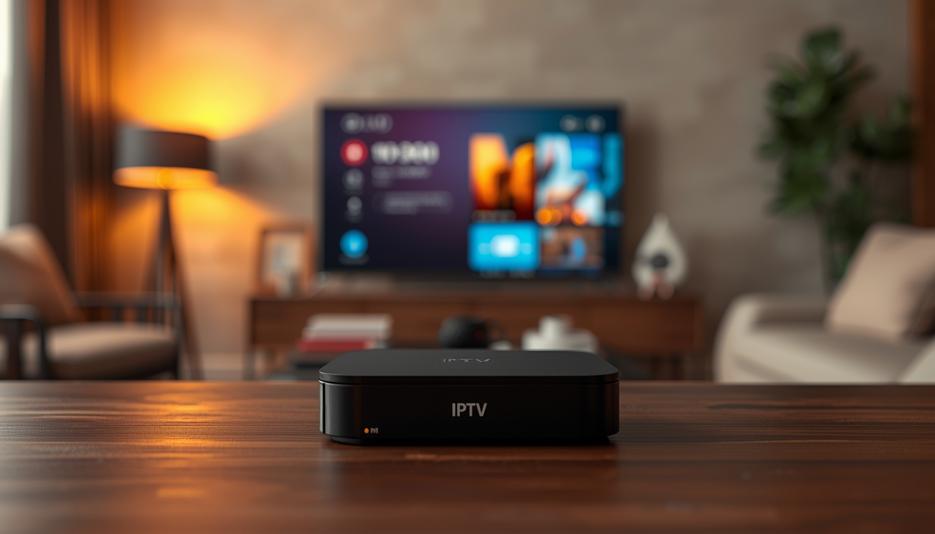
Setting up IPTV in Canada involves several key steps that ensure optimal performance. Begin by researching IPTV providers that serve the Canadian market. Look for services with Canadian servers to minimize latency and providers that offer content packages aligned with your viewing preferences. Popular options include legal services from major telecoms and specialized third-party providers.
After selecting a provider, you’ll need to purchase a subscription. Most IPTV services offer various subscription lengths—typically one, three, six, or twelve months. Longer subscriptions usually provide better value but consider starting with a shorter term to test the service quality. During this process, you’ll receive login credentials and possibly an M3U URL or API integration code.
Next, you’ll need compatible hardware to access your IPTV service. Several options exist for Canadian consumers:
1. Android TV Boxes: Devices like the NVIDIA Shield, Formuler Z8, or Dreamlink T3 are popular in Canada. These dedicated boxes run Android and support various IPTV applications.
2. Amazon Fire Stick: This affordable option works well with most IPTV services and is readily available in Canada.
3. Apple TV: For iOS users, this premium device supports IPTV through specialized applications.
4. MAG Boxes: These purpose-built IPTV receivers are designed specifically for IPTV and are popular among Canadian users seeking reliability.
Once you have your hardware, you’ll need to install appropriate software. For Android-based devices, popular IPTV applications include TiviMate, IPTV Smarters Pro, GSE Smart IPTV, and Perfect Player. These applications allow you to input your provider’s connection details and access your channel lineup. The specific configuration process varies by application, but most require entering your M3U URL or API details provided by your IPTV service.
For optimal performance, connect your device via ethernet rather than Wi-Fi when possible. This connection method provides more stable streaming, especially for HD and 4K content that many Canadian IPTV services now offer.
Advanced IPTV Configuration Tips for Canadian Users

Once your basic IPTV setup is working, several advanced configurations can enhance your viewing experience. Consider implementing a VPN (Virtual Private Network) to protect your privacy and potentially improve streaming performance. VPNs can help bypass ISP throttling that some Canadian providers implement for streaming traffic. Reputable VPN services like NordVPN, ExpressVPN, and Surfshark offer Canadian servers that maintain good connection speeds.
EPG (Electronic Program Guide) integration significantly improves navigation. While many IPTV services include EPG data, you can enhance this functionality with third-party EPG services. Applications like XMLTV and WebGrab+ Plus allow Canadian users to compile comprehensive program guides that include accurate information for local Canadian channels alongside international offerings.
For households with multiple viewing locations, consider IPTV services that allow multiple simultaneous connections. This feature enables different family members to watch different channels on various devices concurrently. Most providers offer tiered packages with increasing connection limits to accommodate larger households.
Advanced users may benefit from setting up Xtream Codes instead of basic M3U playlists. This API-based connection method provides more stable streaming and better integration with most IPTV applications. When your provider offers both connection methods, Xtream Codes typically provides superior performance for Canadian internet infrastructure.
Consider implementing a PVR (Personal Video Recorder) system to record content for later viewing. Applications like TVHeadend or Emby can interface with your IPTV service to create a comprehensive media center that includes recording capabilities. This setup provides flexibility similar to traditional cable DVR services but with the expanded channel lineup of IPTV.
Troubleshooting Common IPTV Issues in Canada

IPTV services occasionally encounter technical issues that require troubleshooting. For Canadian users, one common problem is buffering during peak usage hours. This issue typically stems from internet congestion rather than the IPTV service itself. To mitigate buffering:
1. Reduce the number of devices sharing your internet connection during streaming
2. Consider upgrading your internet package for higher bandwidth
3. Configure your router to prioritize streaming traffic through QoS (Quality of Service) settings
4. Test different server connections if your IPTV provider offers multiple options
Connection failures sometimes occur when trying to access your IPTV service. In such cases:
1. Verify your subscription is active and credentials are correct
2. Check if your provider is experiencing server issues
3. Ensure your M3U URL or API details are properly entered
4. Test your internet connection with other services
5. Restart your IPTV device and router
Channel playback issues are another common concern. If specific channels fail to load or display errors:
1. Report non-working channels to your provider for their attention
2. Try alternative player applications that might handle the stream differently
3. Check if the channel is geographically restricted and requires VPN access
4. Adjust video player buffer settings to accommodate varying stream quality
EPG (Electronic Program Guide) problems often frustrate Canadian IPTV users. When program information appears incorrect or missing:
1. Refresh EPG data through your application settings
2. Check if your provider offers updated EPG information
3. Consider third-party EPG services for more accurate Canadian listings
4. Verify time zone settings match your Canadian location
IPTV vs. Traditional Canadian Television Services
The Canadian television landscape offers multiple content delivery methods, each with distinct advantages. Traditional cable services from Rogers, Bell, and Telus provide reliability and integrated services but typically at higher costs. These services include proper licensing for Canadian content and follow CRTC regulations regarding Canadian content requirements.
Satellite services like Bell Satellite TV offer broader geographical coverage, especially important in rural Canadian areas where internet infrastructure remains limited. However, these services require professional installation, are vulnerable to weather interference, and often come with lengthy contracts.
Canadian OTT (Over-The-Top) services like Crave, CBC Gem, and DAZN offer specialized content without requiring IPTV infrastructure. These services provide legitimate access to specific content libraries but lack the comprehensive channel offerings of full IPTV solutions.
IPTV distinguishes itself through price flexibility, international content availability, and multi-device compatibility. While traditional services offer package bundles that include internet and phone services, IPTV typically focuses solely on television content at a fraction of the price.
For Canadian viewers primarily interested in local content, traditional services or Canadian-specific OTT platforms may provide better value. However, for those seeking diverse international programming, multilingual content, or specialized sports coverage, IPTV typically offers superior options at more competitive prices.
Frequently Asked Questions About IPTV in Canada
Is IPTV legal in Canada?
The legality depends on the specific service. Major telecommunications companies like Bell and Rogers offer legal IPTV services. Third-party providers exist in a regulatory gray area depending on content licensing and distribution rights. Canadian law focuses primarily on content distribution rather than viewing.
What internet speed do I need for IPTV in Canada?
Minimum requirements vary by content quality: 5 Mbps for SD content, 10 Mbps for HD, and 25+ Mbps for 4K streaming. In households with multiple simultaneous streams, these requirements multiply accordingly.
Can I watch Canadian local channels through IPTV?
Yes, many IPTV services include Canadian local channels from major markets like Toronto, Vancouver, Montreal, and other cities. The availability of specific local channels varies by provider.
Do I need a special device for IPTV?
While specialized devices like MAG boxes optimize the IPTV experience, you can access IPTV through smart TVs, streaming devices (Fire Stick, Apple TV), computers, and mobile devices with appropriate applications.
Will a VPN improve my IPTV experience in Canada?
A VPN can potentially improve streaming quality by preventing ISP throttling and accessing geographically restricted content. However, VPNs add another connection point that could potentially reduce speed, so testing is recommended.
Can I record IPTV content for later viewing?
Yes, through PVR/DVR functionality included in some IPTV applications or through third-party recording solutions that integrate with your IPTV service.
Conclusion
Implementing IPTV in Canada offers a flexible, cost-effective alternative to traditional television services. By following the steps outlined in this guide, you can establish a reliable IPTV setup that provides access to diverse content from around the world. The key considerations include selecting a reputable provider, ensuring adequate internet infrastructure, choosing compatible hardware, and configuring appropriate applications.
As the Canadian broadcasting landscape continues to evolve, IPTV represents an increasingly mainstream option for content consumption. Understanding both the technical requirements and potential limitations helps set realistic expectations for your IPTV experience. With proper configuration and troubleshooting knowledge, most technical challenges can be overcome, resulting in a superior viewing experience at a fraction of traditional cable costs.
Whether you’re looking to access international programming, reduce entertainment expenses, or simply explore alternatives to conventional television services, IPTV provides a viable solution for the modern Canadian viewer. As internet infrastructure continues to improve nationwide, the accessibility and performance of IPTV services will only enhance, further cementing their position in Canada’s digital entertainment ecosystem.
